Everyday is A Weekend
This customized trip begins and ends in Calgary for those who arrived at Calgary International Airport or vacationing in Banff area.
Visiting historic First Nation locations, old coal mining towns, cowboy and miners’ hangouts, there’s plenty to discover in the Rockies and their Eastern Slopes for those seeking to immerse themselves in the natural splendor that is bordering Banff and Jasper National Parks. Upper North Saskatchewan River Valley is Canada’s Rockies the best-kept travel secret.
Here, in an absence of crowds this valley makes the views, experiences, and journeys much more special. Here you will have a chance to get connected with native culture, nature and enjoy the sights - there’s nobody else in line.
3 - 5 Days Canadian Rockies Summer Escape
Summer Limber Pine Adventure Package
3 - 5 Days | Semi - Inclusive
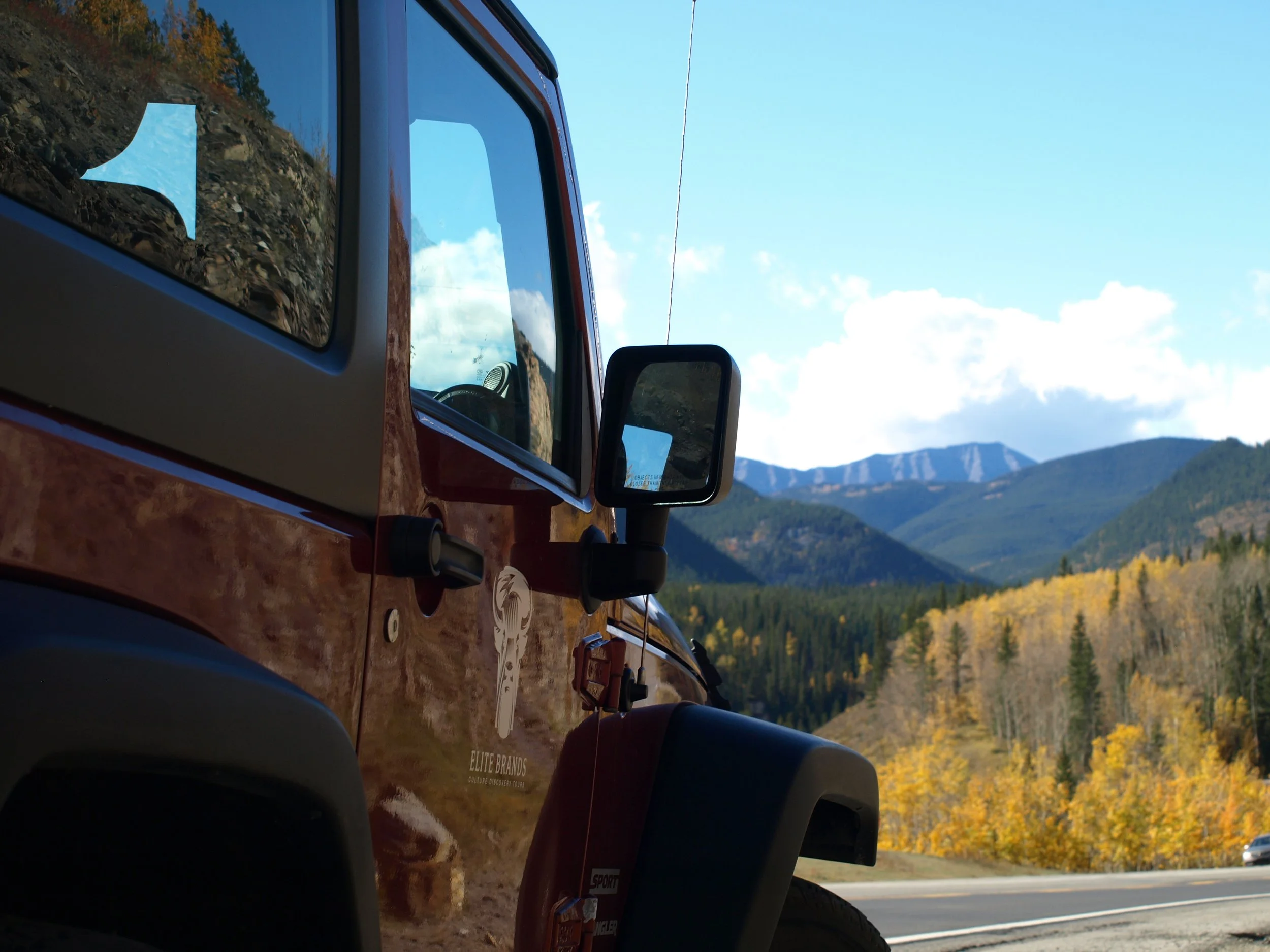
Tour Operator: Elite Brands Culture Discovery Tours | Certified to Operate in Canadian Rockies National Parks
from $400/day CAD
Per couple Semi - Inclusive Flexible Dates
Meals: The responsibility for making breakfast and lunch falls on you. We will arrange for the delivery to supply the ingredients eggs, meats (like bacon and sausage), grains (oats, toast, pancakes, waffles), fruits (berries, bananas), and dairy (milk, yogurt, cheese).
Dinners: Offered package adventure does not include dinner, we can recommend suitable local restaurants and provide transportation to and from the restaurant.
Lodging Location: Included | Banff National Park Boundary (20 minutes) | Banff or Calgary last night
Transportation: Included
Couples +21 Welcome
2026 Departure Dates
July 01 - October 15, 2026
Tour Dates: Contact us and provide the specific start and end dates of your planning trip
Booking: Minium 2 | Maximum 4 people
Day One: Travel with Ease: Airport to Destination
Pick up from Calgary International Airport.
-
Enjoy the scenic views of the Canadian Rockies Easter Slopes during your transfer to your accommodation.
-
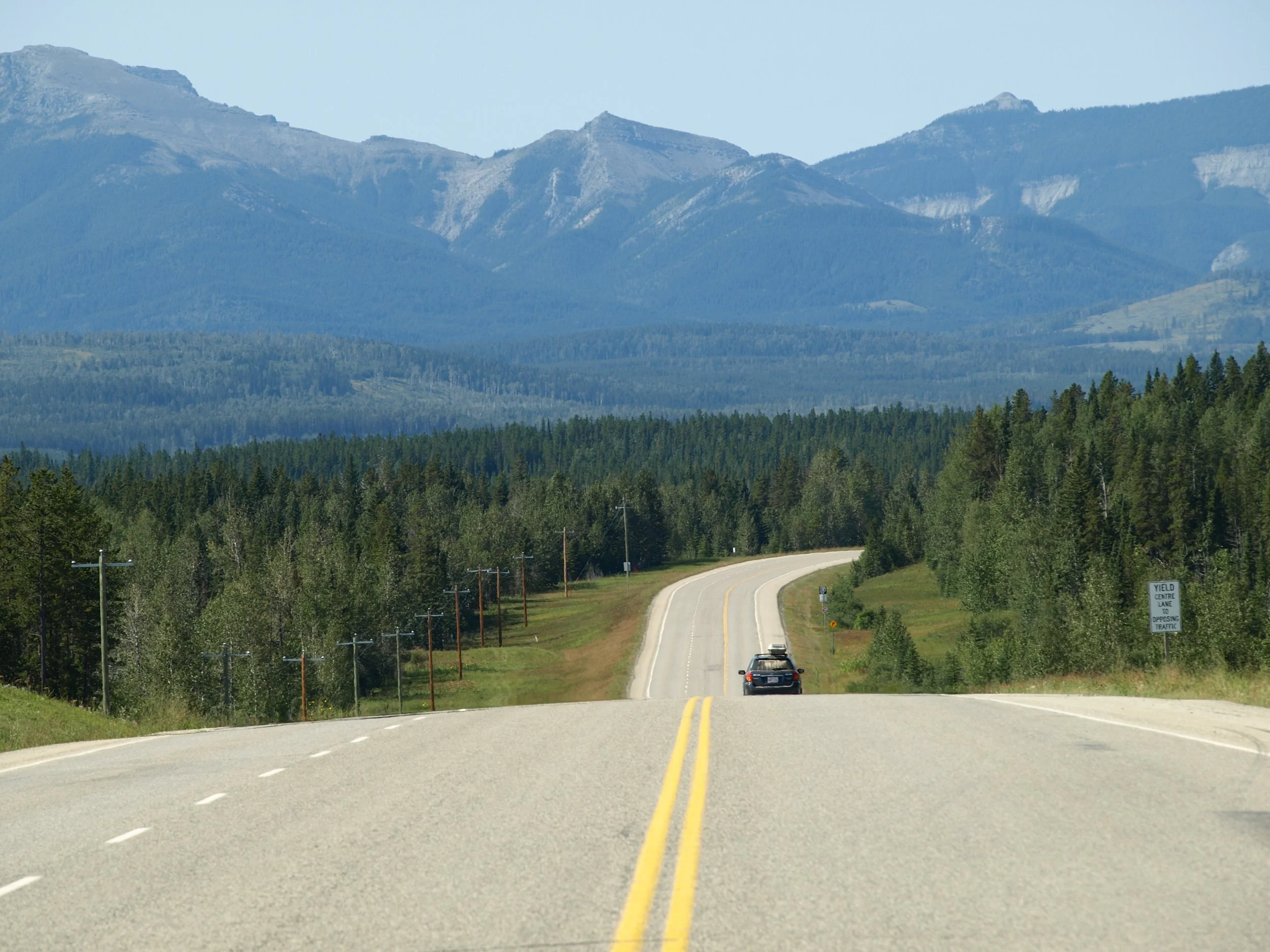
Alberta’s Cowboy Trail is all about the feeling of wide horizons, crisp air and winding two-lane highway that seem to roll on forever.
It's 205 miles or 330km road that runs south along the eastern slopes of the Rockies, tracing ranchland, rolling foothills and historic small towns where cowboy boots are standard and the prairie sky feels endless.
The David Thompson Highway, also known as Alberta Highway 11, is a scenic route in central Alberta, famous for its picturesque landscapes and wildlife, connecting Red Deer to Saskatchewan River Crossing in Banff National Park. The highway follows the historic fur trading routes of explorer David Thompson, passing through towns like Rocky Mountain House. -
Mountain Lodge/Cabin
-
Estimated driving time from Calgary airport to your accommodation is 3 1/2 hour
Day Two: Your iPhone, Our Wild
To take the perfect picture on an adventure in a wide-open space, you need to combine intentional planning with creative execution. Focusing on storytelling, using composition to your advantage, and seeking out unexpected details will transform a simple snapshot into a powerful visual narrative.
-
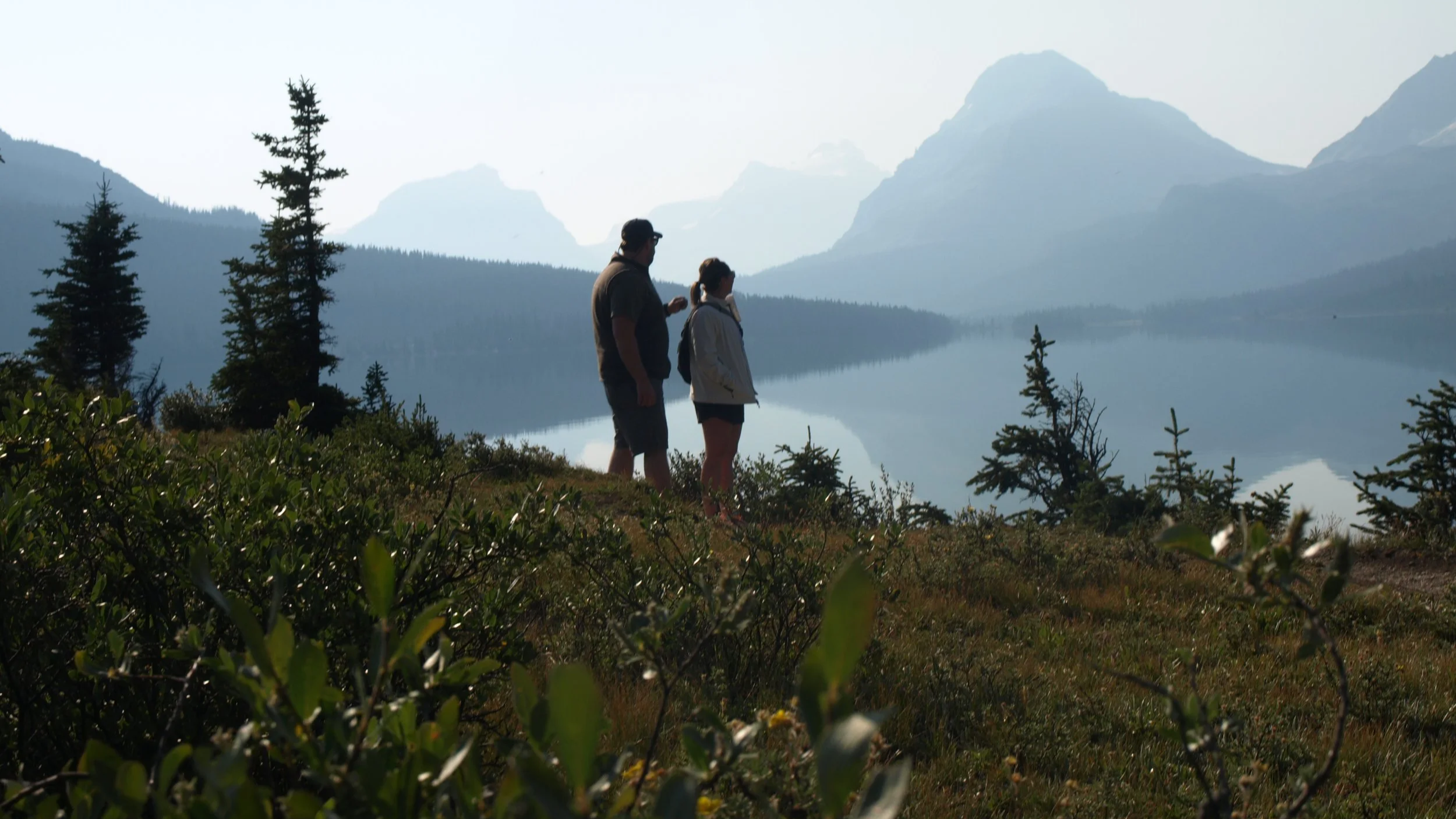
Instead of just capturing the "must see places", you will move beyond simple snapshots and focus on creating a visual story and focus on the "why." Capturing the emotion behind the moment will create a more compelling and dynamic iPhone picture that morning. With each stop, you will be able to capture a sequence of pictures that tell the full story and celebrate the moment and enjoy the summit view of the Peyto Lake and calm waters of the Bow Lake.
-
Waterfowl Lakes are a pair of beautiful, glacial-fed lakes in the Canadian Rockies, situated on the scenic Icefields Parkway in Banff National Park, Alberta, Canada. These lakes are known for their stunning turquoise waters reflecting the surrounding mountains
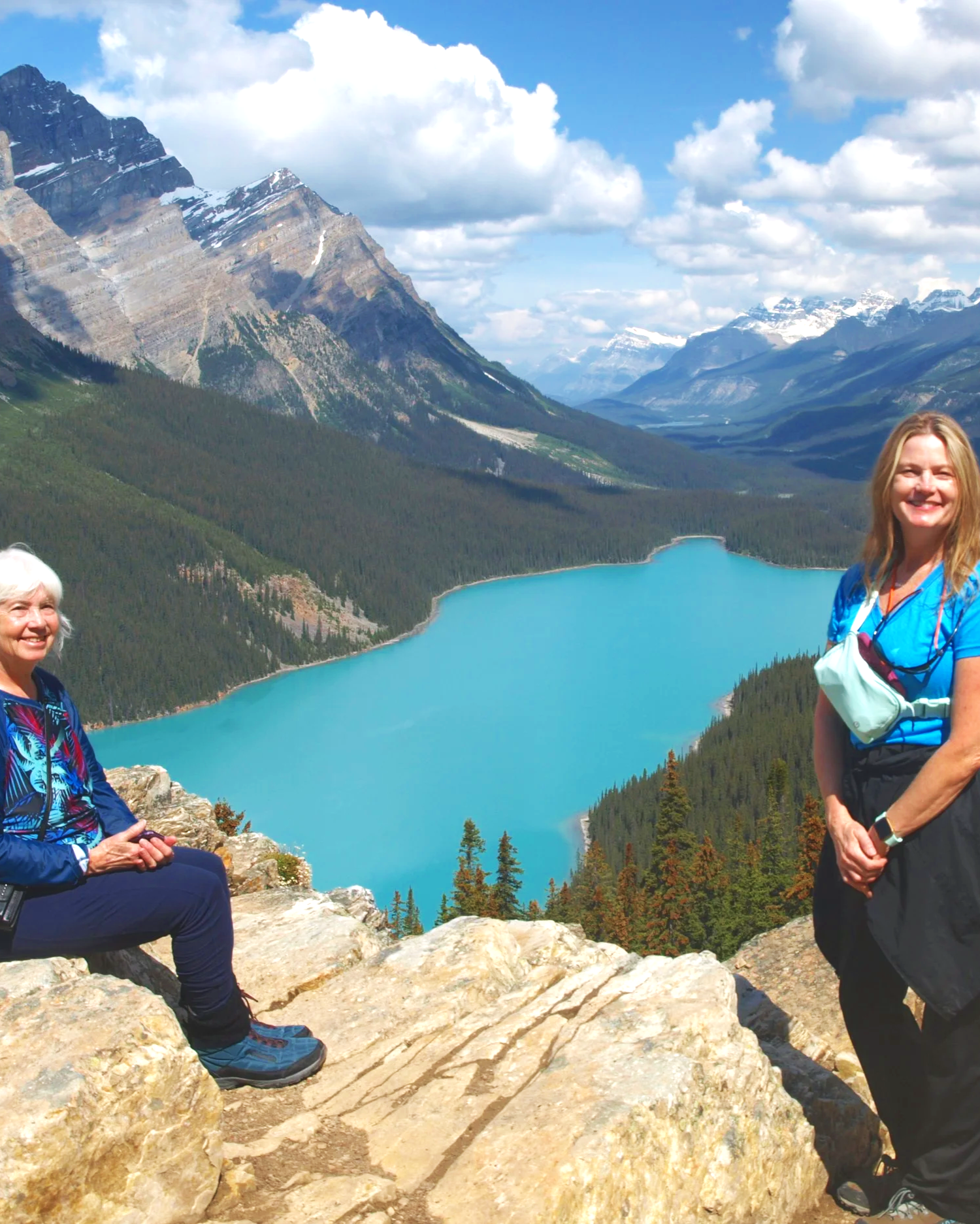
Peyto Lake is a stunning, glacier-fed lake located in Banff National Park in the Canadian Rockies. Its vibrant, turquoise-blue color and wolf-like shape make it one of the most popular and scenic spots along the Icefields Parkway.
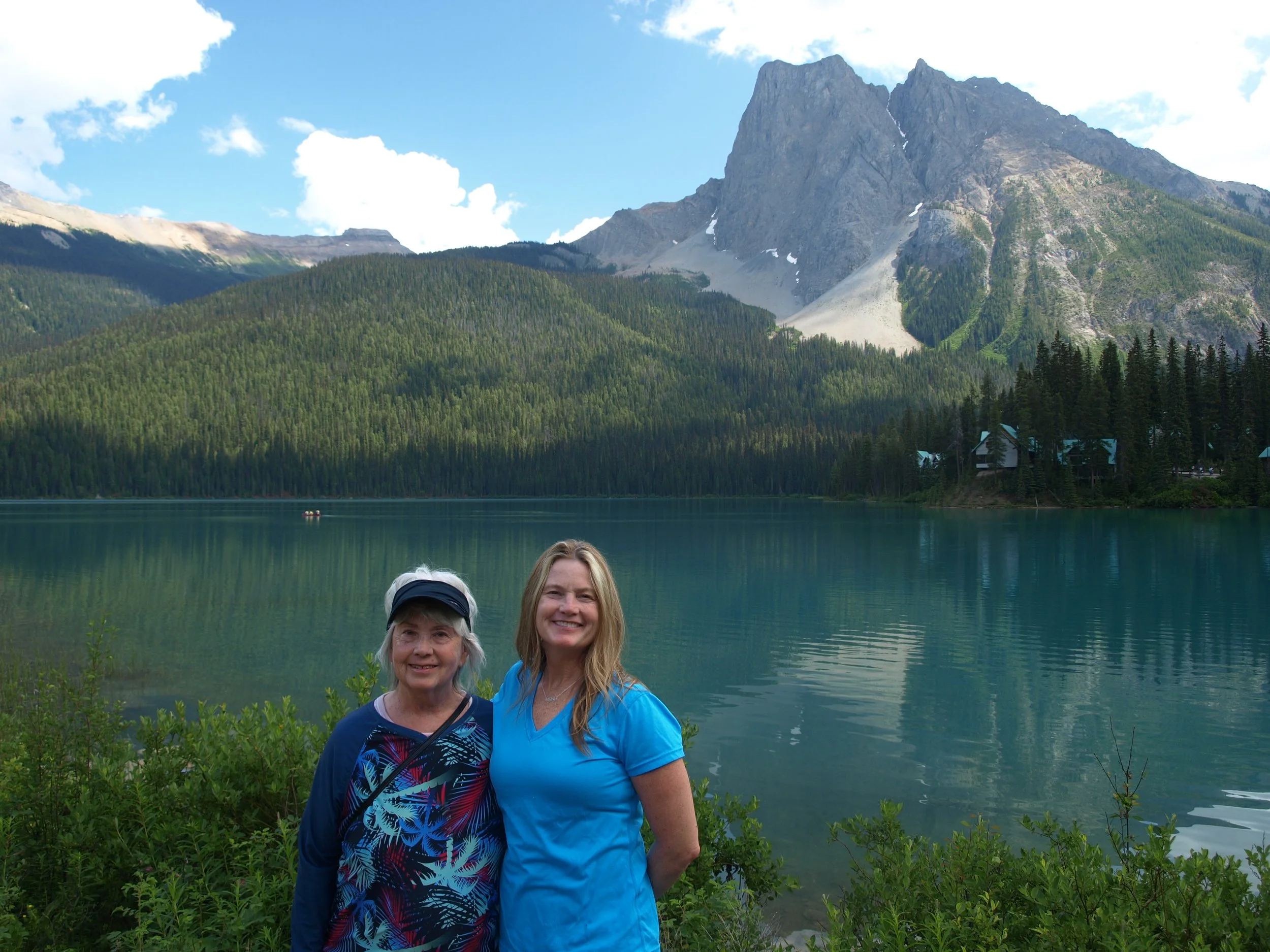
Bow Lake's turquoise water creates beautiful reflections of the surrounding Rocky Mountains, especially on calm days when the lake acts as a mirror, enhancing its stunning scenic beauty.
-
Mountain Lodge/Cabin
-
One hour before local sunrise is during the period known as Nautical Twilight, which occurs when the sun is 12 degrees below the horizon. During this time, the sky is significantly lit by scattered sunlight, the horizon is still visible, and some of the brightest stars can be seen, making it an excellent time for stargazing and photography.
1PM return to the Lodge/Cabin
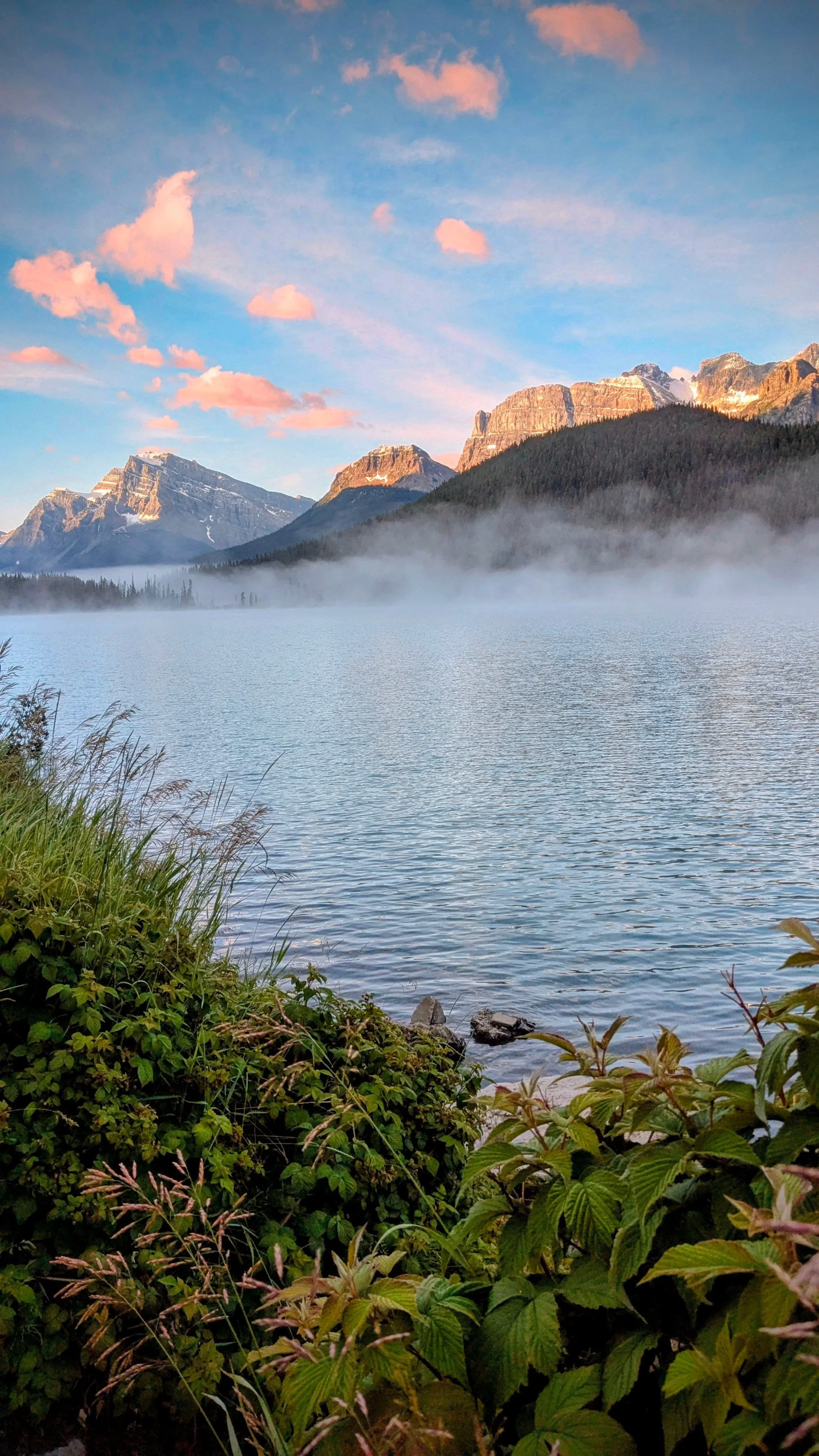
Day Three: A Place Where You Can Breathe
Upper North Saskatchewan River Valley, commemorate the diversity of human experience and the legacy of thousands of years of human history and mark the tangible cultural remains of the lives and stories of the people who travel and live in this part of the Canadian Rockies. This sacred land underlines the importance of historical significance and gives the reasons to protect this land in response to changing circumstances and environment.
-
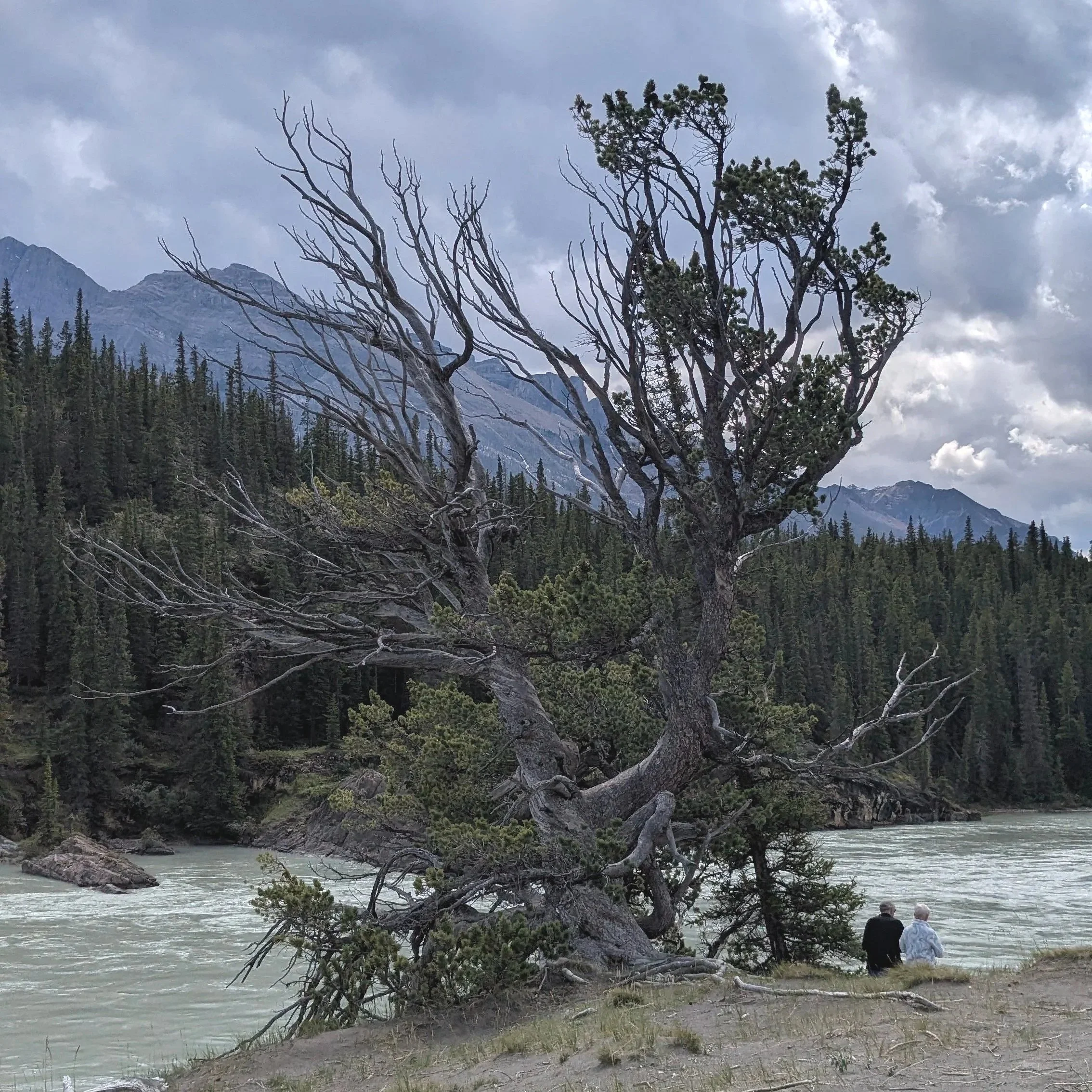
Among the scenic features at Kootenay Plains are the gnarled and windblown limber pines growing on exposed rocky ridges. The name "limber" comes from the nature of the small branchlets which are usually quite flexible and can be gently bent without breaking.
Walking among these trees at Kootenay Plains helps the mind make connection to nature, body, and soul, and feel more connected to all of humanity— imperfections, traumas, and all. Trees in a forest are connected and communicate with each other through a network fungi that connect root to root—they cooperate for the benefit of their community. Humans are the same way. We grow and feel that our best connection is the community.
A long time ago, we forgot our own root system, but the process of bringing back the painful and happy memories when walking on the Kootenay Plains , should be beautiful and important.
One of the Limber Pine growing at Kootenay Plains is estimated to be about 2500-3000 years, making it the oldest living Limber Pine in the world and the oldest tree in Canada.
-
Historically, the First Nation Peoples and first Europeans have consistently used this trail. Open surroundings provide magnificent views of Front Range peaks to the east and west.
Guide and Outfitter working out of Banff and Lake Louise, Tom Wilson, established Powderhorn Ranch at Kootenay Plains in 1900 near the confluence of Whiterabbit Creek and
Northern Saskatchewan River. The site is now flooded by the hydroelectric reservoir.
Two O'clock Creek in summer normally is dry in the morning but in the early afternoon is full of floods. Historically, the creek’s surrounding area continues to play one of the most important roles in the history of Kootenay Plains. On June 1, 1807, David Thompson, his wife Charlotte Small and children travelled through this area and stayed for one night at this location.
Chief Robert Smallboy and some other 140 people left the Ermineskin Reserve at Hobbema for Kootenay Plains on July 8, 1968, to live the traditional life once again. The group lived in tents for the first few years, hunted and subsisted off the Kootenay Plains land. Chief Smallboy sought to leave behind the problems that come with alcohol and living an idle life, replacing this with the demanding physical activity that comes with living off the land. A few years after the group settled in the Kootenay Plains, road development and construction of the Bighorn Dam forced them to re- locate North to another area at the foot of the Rocky Mountains. They called the new home “The Smallboy Camp” and became an inspiration to native people everywhere in the world, to learn Native Spiritual life.
In 1948, seven Stoney's families were living at Kootenay Plains and the residents were known as the Wesley Band after their leader, Peter Wesley Sr., whom they called ‘The Great Ta-Otha’. The Wesley Band repeatedly petitioned the authorities for reserve land on the Kootenay Plains. The 5,000-acre, 144A Big Stoney Horn Reserve, was created in 1948.
This Limber Pine growing at Kootenay Plains is estimated to be about 2500-3000 years, making it the oldest living Limber Pine in the world. A core sample was taken in 1986 and the 10cm core counted 400 rings.
-
Lodge/Cabin
-
Part 1
Tour starts one hour before local sunrise during the period known as Nautical Twilight, which occurs when the sun is 12 degrees below the horizon. During this time, the sky is significantly lit by scattered sunlight, the horizon is still visible, and some of the brightest stars can be seen, making it an excellent time for stargazing and photography.
Part 2
12PM - 6 PM Private time at the lodge/cabin
Part 3
Tour start at 6pm and Ends at Dusk
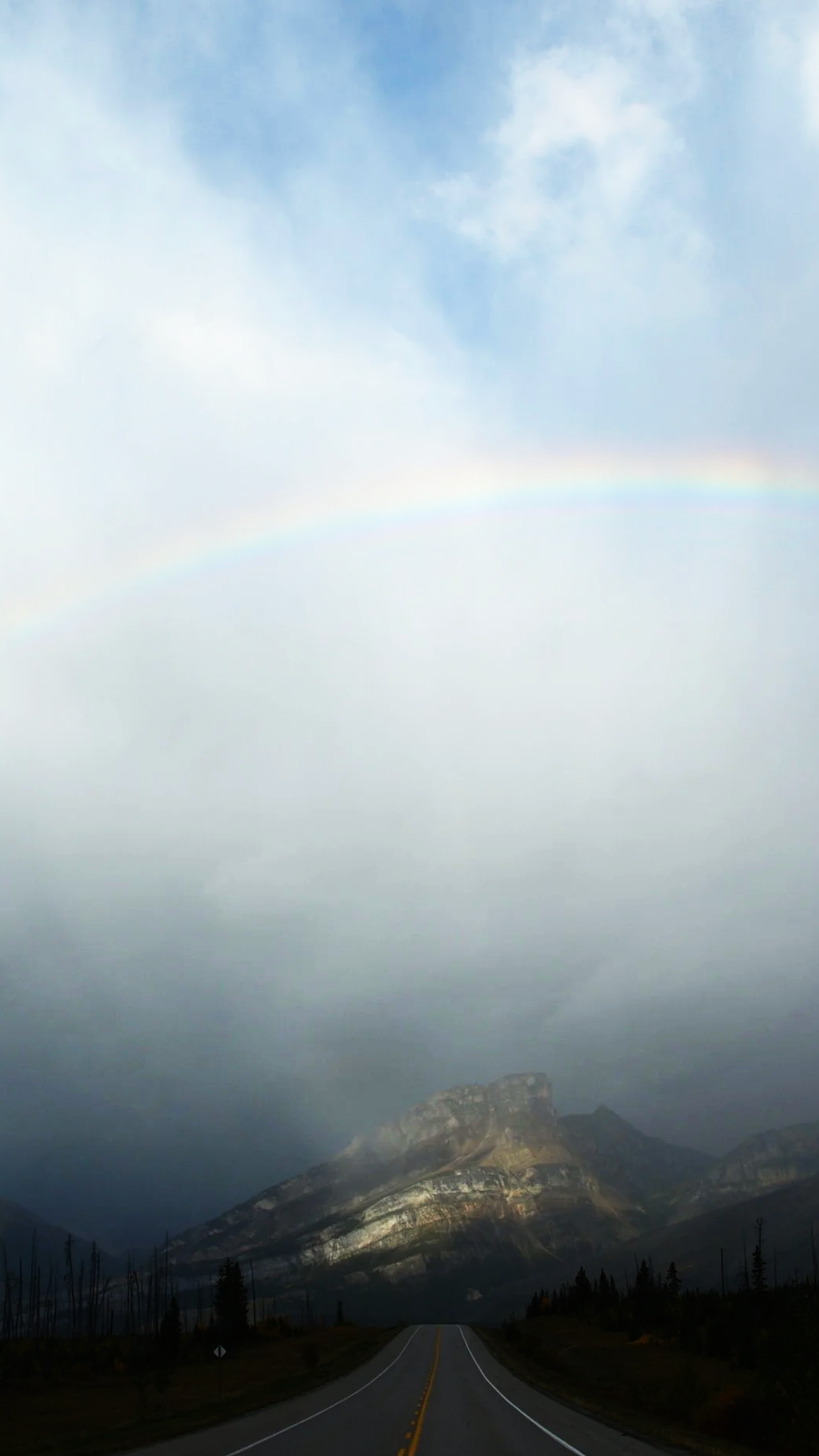
Day Four: Where the Sun Kiss Rockies
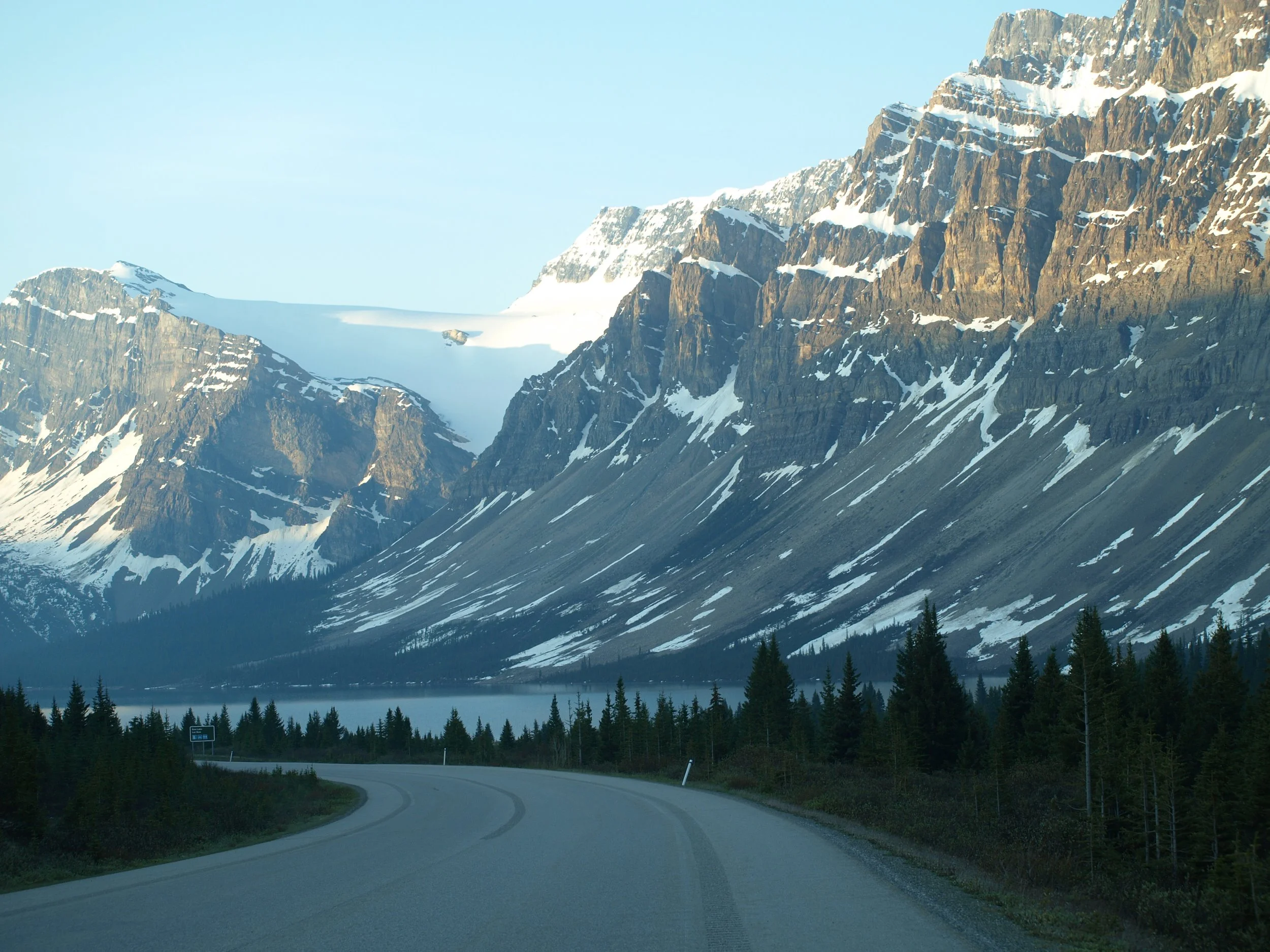
Icefields Parkway and Upper North Saskatchewan River Valley, scenic route is offering dramatic panoramas where you can witness the fading rays bathing the mountains. The low-angle sun during golden hour bathes the peaks in a soft, warm, and flattering light that brings out the rugged beauty of the Rocky Mountains.
-
The mesmerizing drive from the vivid turquoise waters of Abraham Lake to Athabasca Falls is a segment of the famous Icefields Parkway in the Canadian Rockies, which travels between Lake Louise and Jasper. While Abraham Lake isn't on the direct Icefields Parkway route to Athabasca Falls, the experience of driving through stunning scenery with natural wonders, is accurately depicted. The Parkway is renowned for its beauty, passing by famous spots like the Columbia Icefield and featuring breathtaking views of rivers, glaciers, waterfalls, and mountains.
-
River Crossing
This is a significant location where three rivers meet; the mighty North Saskatchewan, the Howse and the Mistaya. The North Saskatchewan River rises in the Canadian Rockies and empties into Lake Winnipeg over 1,600 kilometres (1,025 miles) east across the country.
Weeping Wall
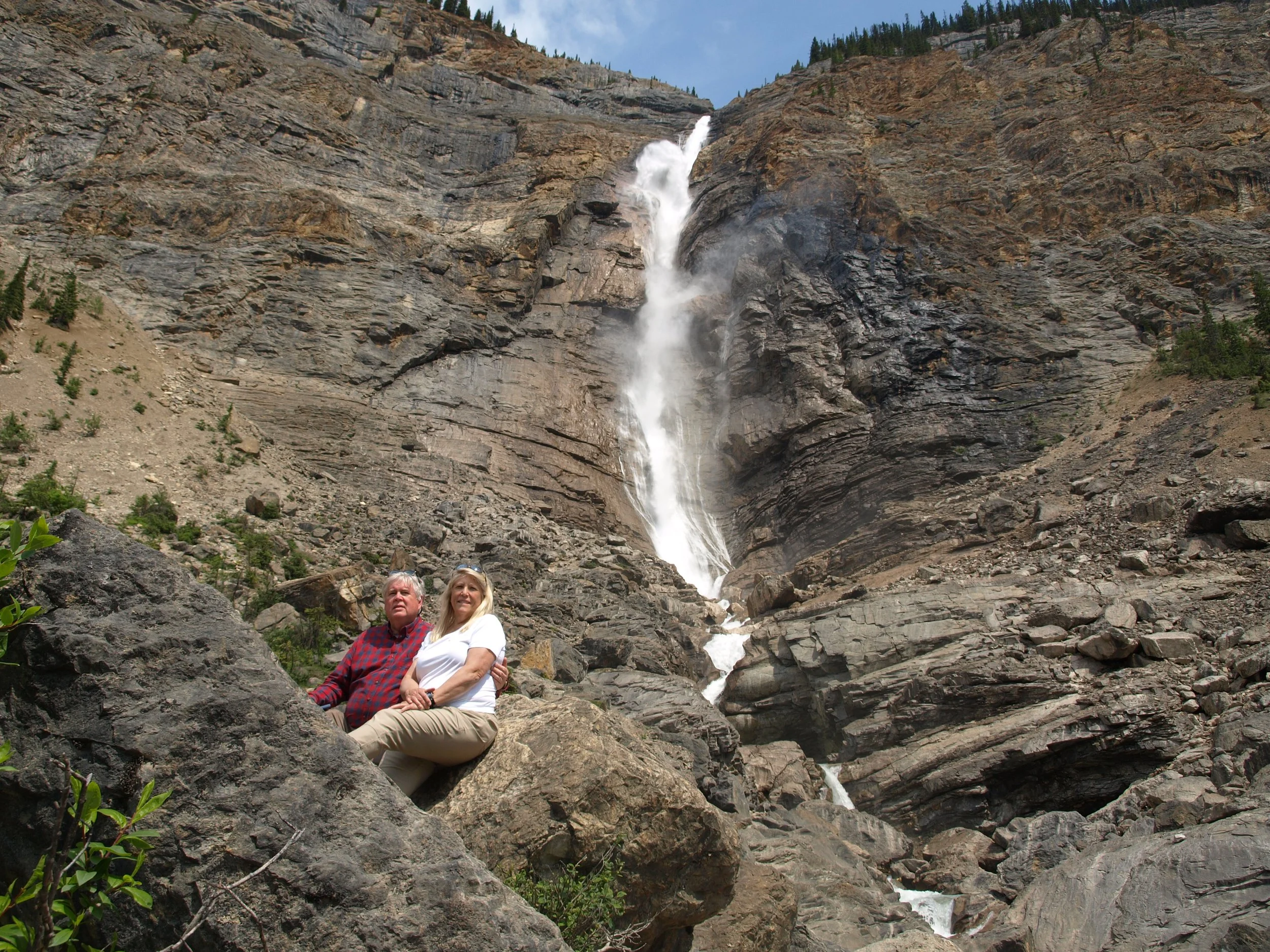
Located at Cirrus Mountain, the Weeping Wall resembles a mountain with a river of tears. More than 100 metres high (330 feet), water cascades in a series of waterfalls. The main fall is called Teardrop.
Big Hill & Big Bend
Aptly named, you will know when you arrive at the Big Hill and Big Bend. The descending road clings to the wall of a mountain and offers expansive views of the valley and river below. The Big Bend is the famous hairpin turn that wraps in a circle below towering peaks.
Columbia Icefield
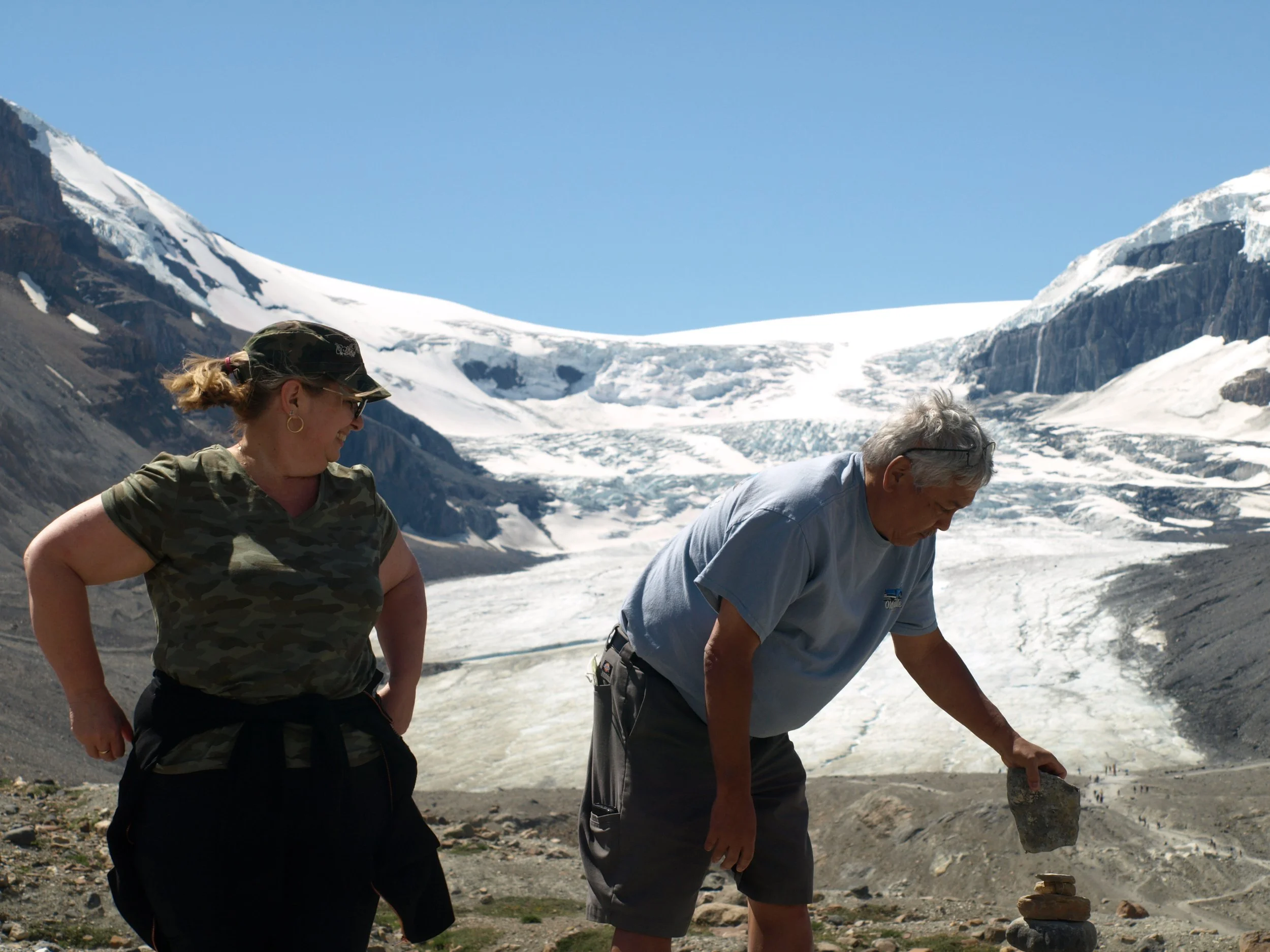
Just as the name implies, these glaciers or “fields of ice” straddle Banff National Park and Jasper National Park and are the largest south of the Arctic Circle. Its three meltwater drainages (Arctic, Atlantic, Pacific).
Sunwapta Falls
This class 6 waterfall is located south of the Jasper town site and has a drop of approximately 18 metres (60 feet). The falls are particularly impressive in the late spring and early summer when snow pack runoff is high. The Sunwapta Falls are fed by the Athabasca Glacier.
Sunwapta Falls
This class 6 waterfall is located south of the Jasper town site and has a drop of approximately 18 metres (60 feet). The Sunwapta Falls are fed by the Athabasca Glacier.
Athabasca Falls
Among the most breathtaking and powerful falls in the Canadian Rockies, the Athabasca Falls are located 30 kilometres south of the Jasper town site. The falls are impressive for the volume and force of water, less for its height.
-
Lodge/Cabin
-
Tour start at 2pm and end after arriving to the lodge/cabin at Dusk
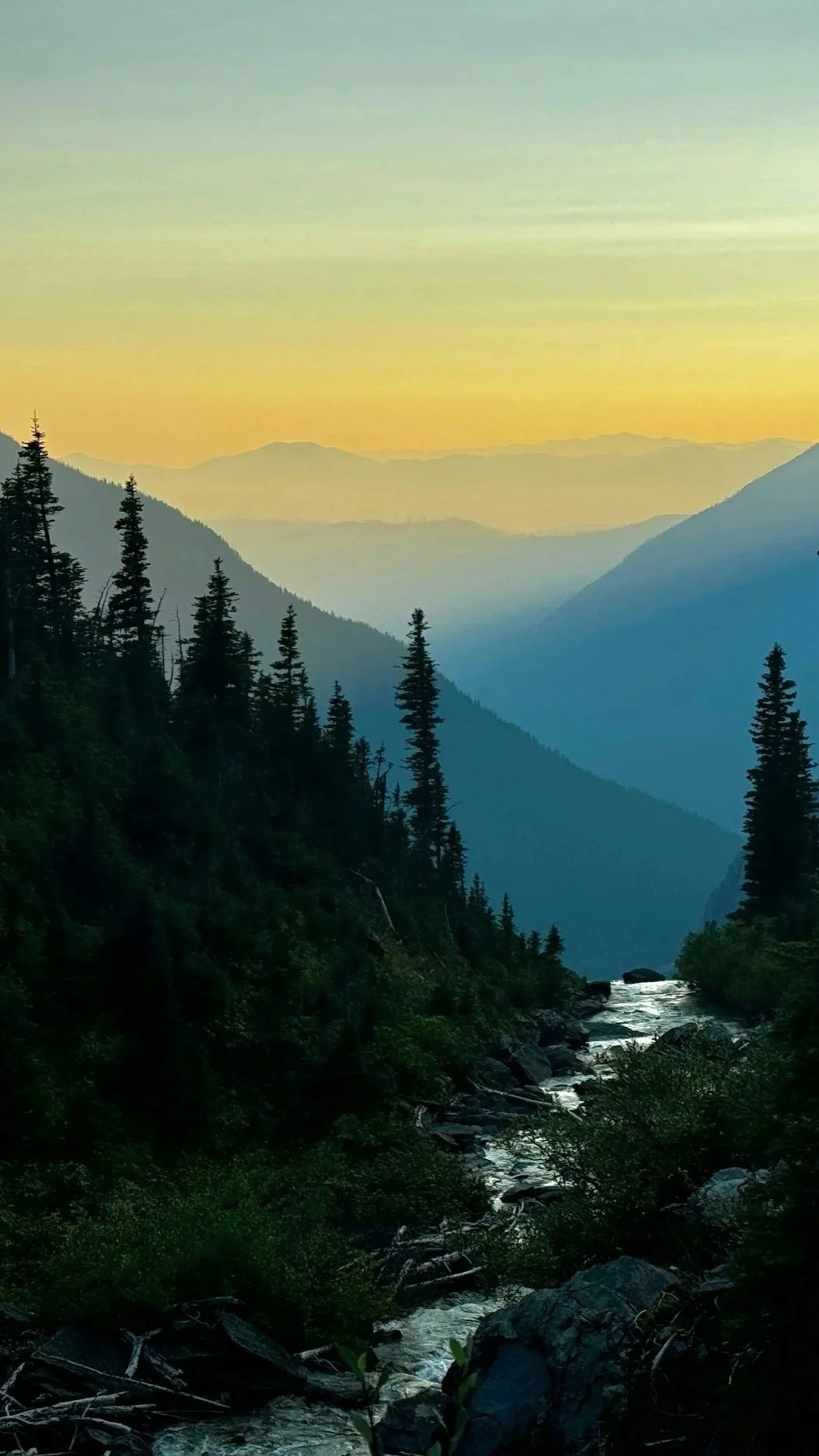
Day Five: Shift Into Park Mode
You may consider spending a night at this tourist town (Banff) on your own or let us guide you through the day and late afternoon transfer to Calgary hotel before your next day flight back to home.
Banff is located in one of the world’s most beautiful mountain settings, but the townsite itself feels increasingly commercialized and expensive. Restaurants charge premium prices for mediocre food, and shops sell generic tourist souvenirs that can be found in any resort town. Traffic congestion and parking difficulties add frustration to what should be a mountain escape.
-
In 2025,Banff shattered traffic records with 1.76 million vehicles entering and exiting the mountain town in July and August.
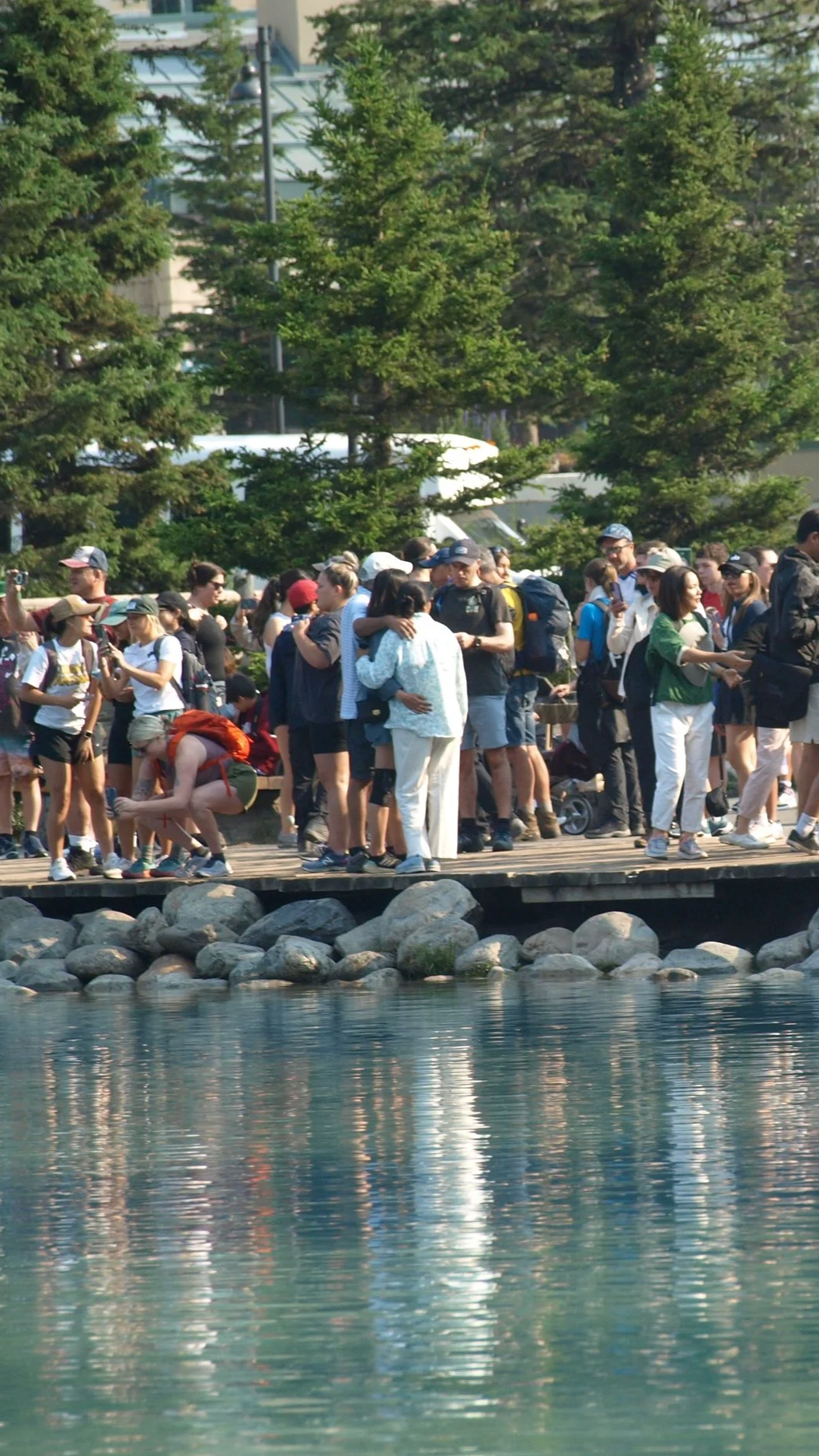
In summer it is challenging to avoid the crowds in Banff and Lake Louise. Every year, Banff and the village of Lake Louise receive over five million visitors.
-
1.Morning visit to Lake Louise2.Scenic Drive Along the Bow Valley Parkway from Lake Louise to Banff
3.Visit the Cave and Basin National Historic Site and explore the birthplace of Canada's national park system. The site offers boardwalks through the thermal mineral springs, an interpretive center, and historical displays
4.Go shopping in downtown Banff and head to Banff Avenue for unique shops, art galleries, and souvenir stores
5.Arriving late afternoon at the location of your accommodation in Calgary
-
Calgary Hotel near the airport.
-
8AM
Arriving early evening in Calgary
[ HIGHLIGHTS ]World class journey to Upper North Saskatchewan River Valley, through the heart of the Canadian Rockies and their Eastern Slopes
Journey Features
The Canadian Rockies are famed for majestic peaks, rugged scenery, U-shaped glacial valleys, diverse habitats, and stunning alpine lakes, providing benefits like unparalleled hiking, wildlife viewing, and natural beauty.
The Canadian Rockies' Eastern Slopes acts as a vital headwaters for several major river systems, including the North and South Saskatchewan Rivers and the Oldman River, which supply water to much of Western Canada. The region is characterized by its dramatic peaks, forested slopes, and diverse wildlife.
Food & Drink
Beef may be the start of the conversation, but it isn’t where it ends. Agriculture in Alberta is a major industry too, producing everything from honey, hops, and artisan cheese to berries including raspberries, blueberries, strawberries and saskatoons berries.
A conversation about the province’s food also needs to take in the multitude of cultural influences at play. But… did you know that Canada’s most popular brunch cocktail, the Bloody Caesar, was invented at Calgary’s Westin Hotel in 1969? Make sure you try a Canadian classic while you’re in Alberta.
Sightseeing & Culture
Sightseeing in the Canadian Rockies and on the eastern slopes includes iconic locations like Banff National Park, Jasper National Park, and the Icefields Parkway, offering scenic views of lakes, mountains, and glaciers. Cultural experiences include learning about Indigenous culture at events like pow wows, visiting local towns and communities with the best time to visit generally being from late spring to early autumn.
Lodging and Meals Enhancements
Wilderness Mountain Lodge/Cabin
Travel by Feeling, Not by Speed.
This is a type of tourism that is centered on experiencing a destination's cultural heritage, art, history, traditions, and lifestyle. Once providing you with the opportunities, you will be motivated to learn, discover, and immerse oneself in local culture and help to preserve the local cultural heritage. This journey aim is to recognize and cultivate the feeling that:
You are part of nature:
A fundamental belief in the interconnectedness between humanity and the natural world.
You care for nature:
This sense of belonging leads to a deeper emotional connection and a desire to care for and protect the environment.
There is a commitment:
Caring for nature.
Slow Tourism
Over Tourism
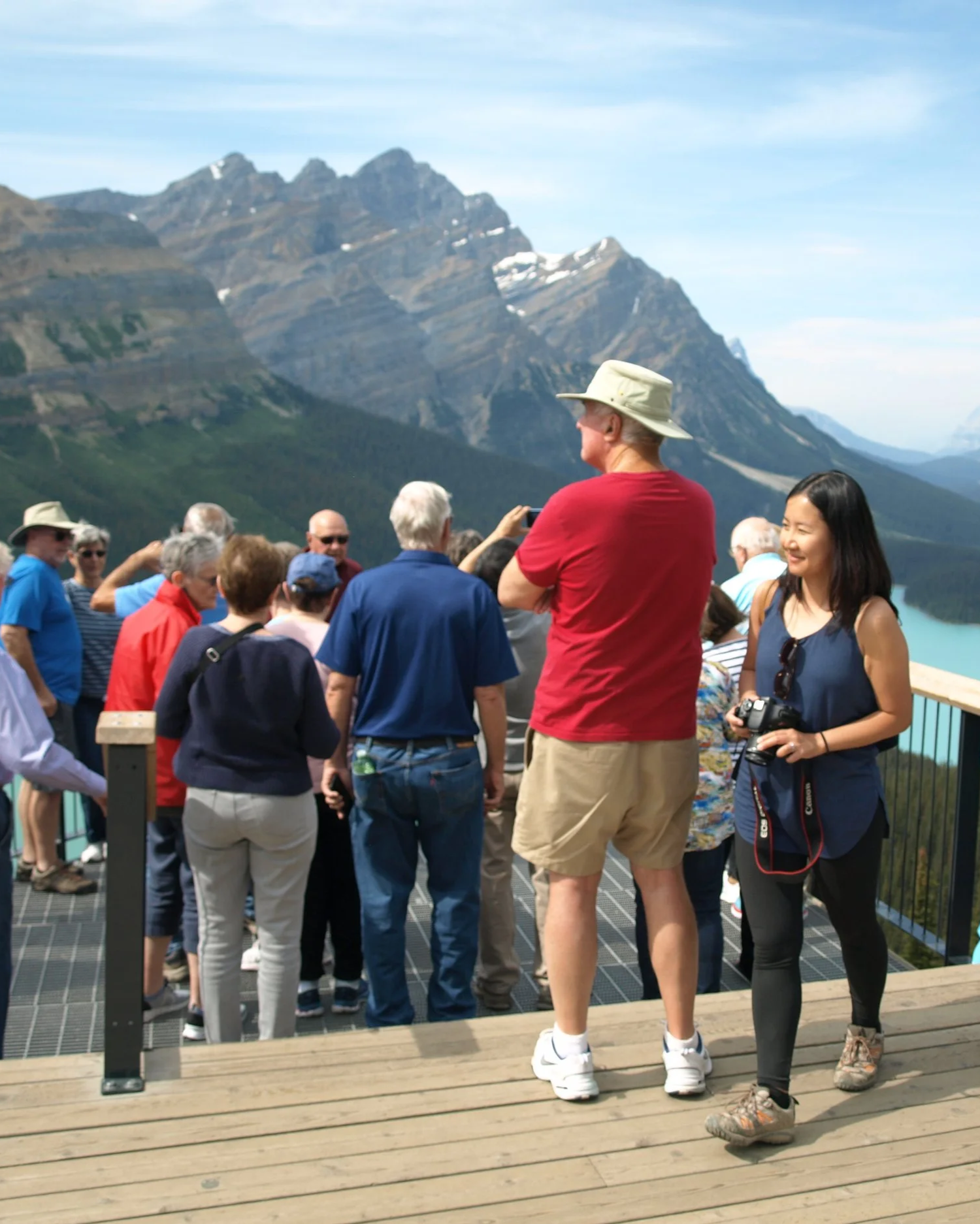
A trend of the moment is the tourism phenomenon influenced by mass culture where people chose the destination based on social media, influencers, television programs and often films. In effect tourist destinations suffer from over tourism and overcrowding.
Currently, all Banff National Park travel experiences involve tourists rushing from one hotspot to another. This influx of tourists seeking such experiences results in negative environmental impacts such as pollution and devastation of nature, along with social distress due to overcrowding and a diminished visitor experience.
Today, the constant creation and re-creation of tourist imaginaries through social media can lead to an influx of visitors eager to replicate experiences seen online and demand from local tour operators to offer tour itinerary that copy these experiences.
Authenticity Awaits: Find Your Own Story
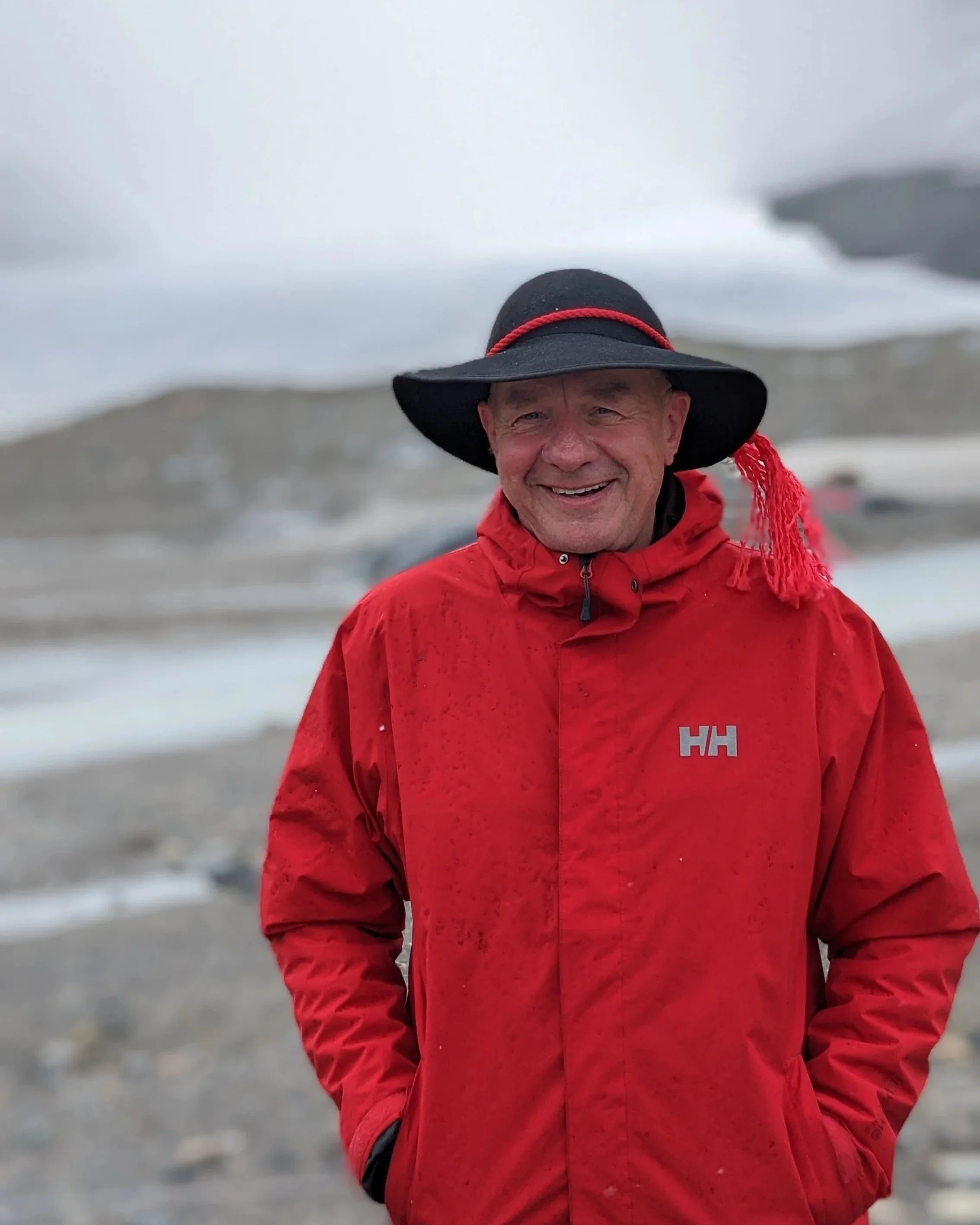
Jerzy Maslanka
Alberta, Canada
Responsible Tourism is the mindset that guides me to offer these tours and workshops, and I believe in promoting sustainable practices to reduce environmental impact for the benefits of tourism with the imperative to protect the park's natural resources and character. I prioritize conservation over commercial interests.
All tours are designed in ways which reflect the natural, cultural and the geological character of a place – its environment, culture, aesthetics, heritage and people who live there. I am hoping that while I can offer these exclusive private tours, true passions and purpose will be presented to those who decided to support mine and these hospitality providers that are collaborating with 55plusTravel and Elite Brands Culture Discovery Tours.
As a small tour operator, I face genuine challenges due to Parks Canada's restrictions, which favor larger-capacity commercial vehicles. This situation can disadvantage smaller businesses and affect the visitor experience, even if the regulations are intended to manage overcrowding and protect the environment.
Travelers often feel gratitude and satisfaction after a Canadian Rockies tour with a knowledgeable and thoughtful guide and for many, booking a tour creates a mix of excitement, anticipation, and occasional anxiety. Reading the reviews below, it may help you when thinking of booking, going for a tour and support me.
Jerzy Founder 55plusTravel